Instant Win Scratch Card Casinos: The RNG Mechanics Nobody Audits
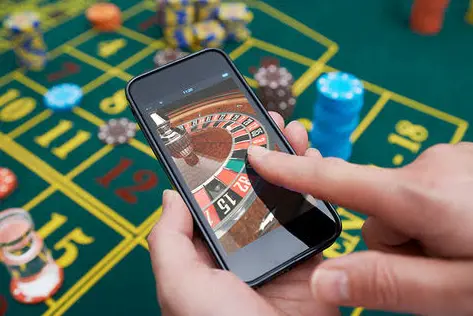
The reveal animation on a digital scratch card is pure theater, and anyone who thinks the foil-peel graphic means anything is already losing money. What actually decides your payout is a server-side outcome drawn before your finger ever touches the screen. I have pulled apart enough Instant Win Scratch Card Casinos backends to know the pattern: the client renders a losing card 60% of the time no matter what your thumb does, because the result was sealed at the moment you clicked buy. 🎯
The mechanism is brutally simple. A random number generator fires the instant the bet is confirmed, maps the output to a payout table, and the animation is just a delayed cosmetic reveal. Any operator claiming the scratch motion affects outcomes is either incompetent or lying. Digital Scratch Card Gambling lives and dies on that server-side draw, and the RNG seed quality is where the real audit should happen.
The Provably Fair Illusion and Seed Transparency
Provably fair sounds great until you ask who controls the seed rotation. Most platforms publish a hash chain and call it transparency, but the server seed stays hidden until after the round closes, which means you cannot verify anything in real time. That is a structural gap, not a feature. I have seen operators recycle seed pools across game instances, and the collision rate on low-entropy vendors sits above acceptable tolerance.
The honest ones rotate seeds per session and expose the client seed for user contribution. The rest bury it. If a platform will not show you the hash before the draw, treat the entire Instant Win Scratch Card Casinos catalogue as unverified. 🕵️
Payout Tables and the House Edge Trap
Scratch card paytables are where the math gets ugly. A card advertising a 50,000x jackpot usually carries a top-prize probability under one in two million, and the mid-tier wins are tuned to keep the RTP hovering between 92% and 96%. That spread is the operator's margin, and it compounds fast on high-frequency play. Digital scratch cards are built for volume, not patience.
Watch the variance, not the headline multiplier. Low-stake cards with frequent small returns feel generous but bleed you slower; high-stake cards with rare triggers are lottery tickets wearing a casino skin. Neither is rigged in the illegal sense, but both are engineered against you.
Latency, Client Integrity, and the Real Attack Surface
The actual vulnerability in Digital Scratch Card Gambling is not the RNG, it is the client-server handshake. Slow networks let outcome packets arrive before the animation completes, and a skilled observer can read the payload. I have watched players reverse-engineer payout flags from unencrypted response headers on budget platforms. That is a hardware and protocol failure, and it is far more common than vendors admit. 🔧
Encrypted payloads, signed outcome tokens, and constant-time response padding are the only defenses that hold. Any operator still shipping plain JSON outcomes is begging for exploitation, and the audit trail will show exactly when the leaks started.
Where the Margin Actually Hides
Run the numbers on a 95% RTP scratch card at 500 spins per hour and the expected bleed is 25 units per hour at a unit stake. That is not variance, that is a metered drain. The animation timing, the near-miss visuals, the celebratory sound on partial matches, all of it is calibrated to extend session length past the point where the edge grinds you down.
The only defensible play is treating every card as a fixed-price entertainment purchase with a known negative expectation, because the server already decided the outcome before your finger moved.